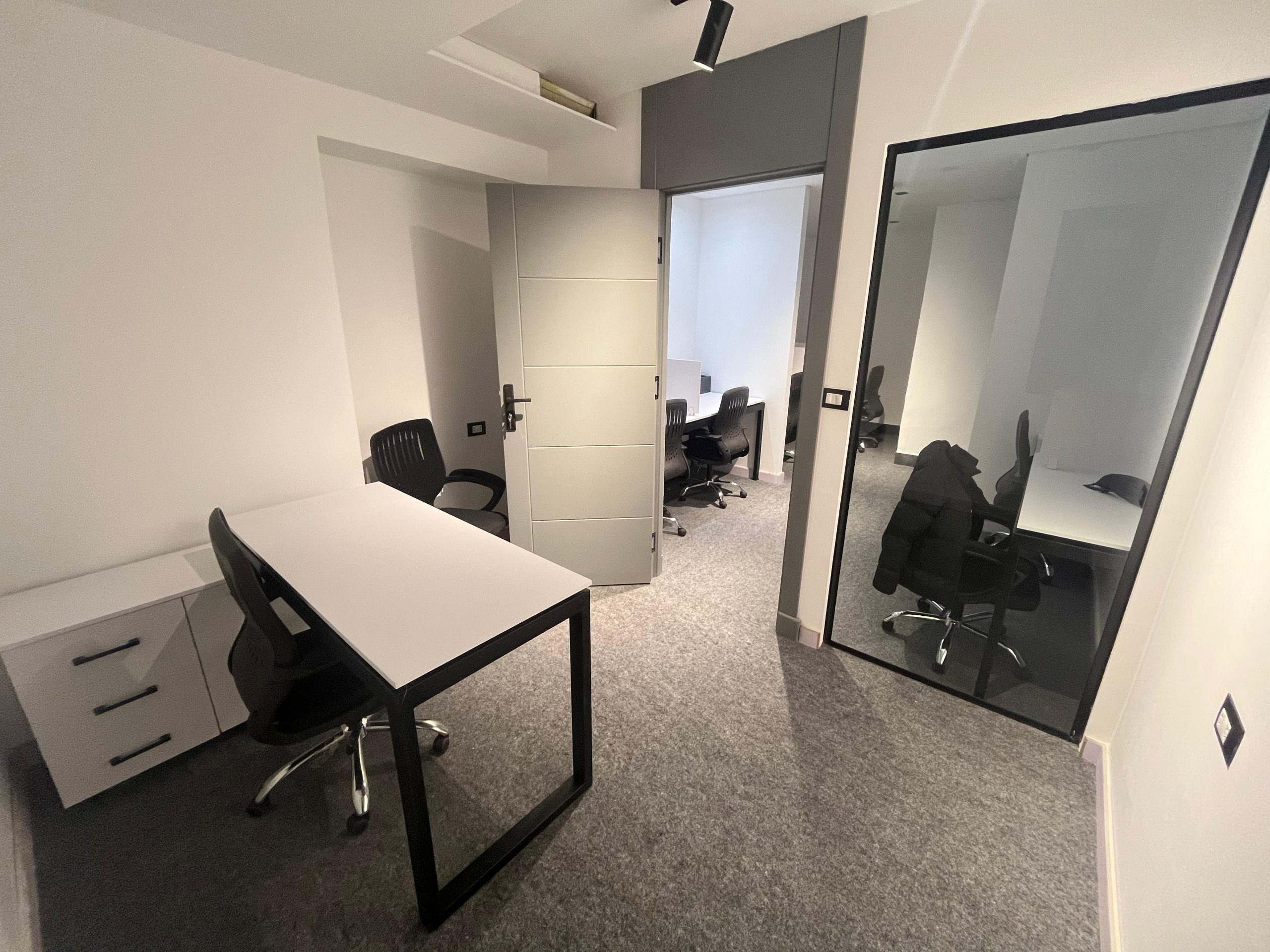
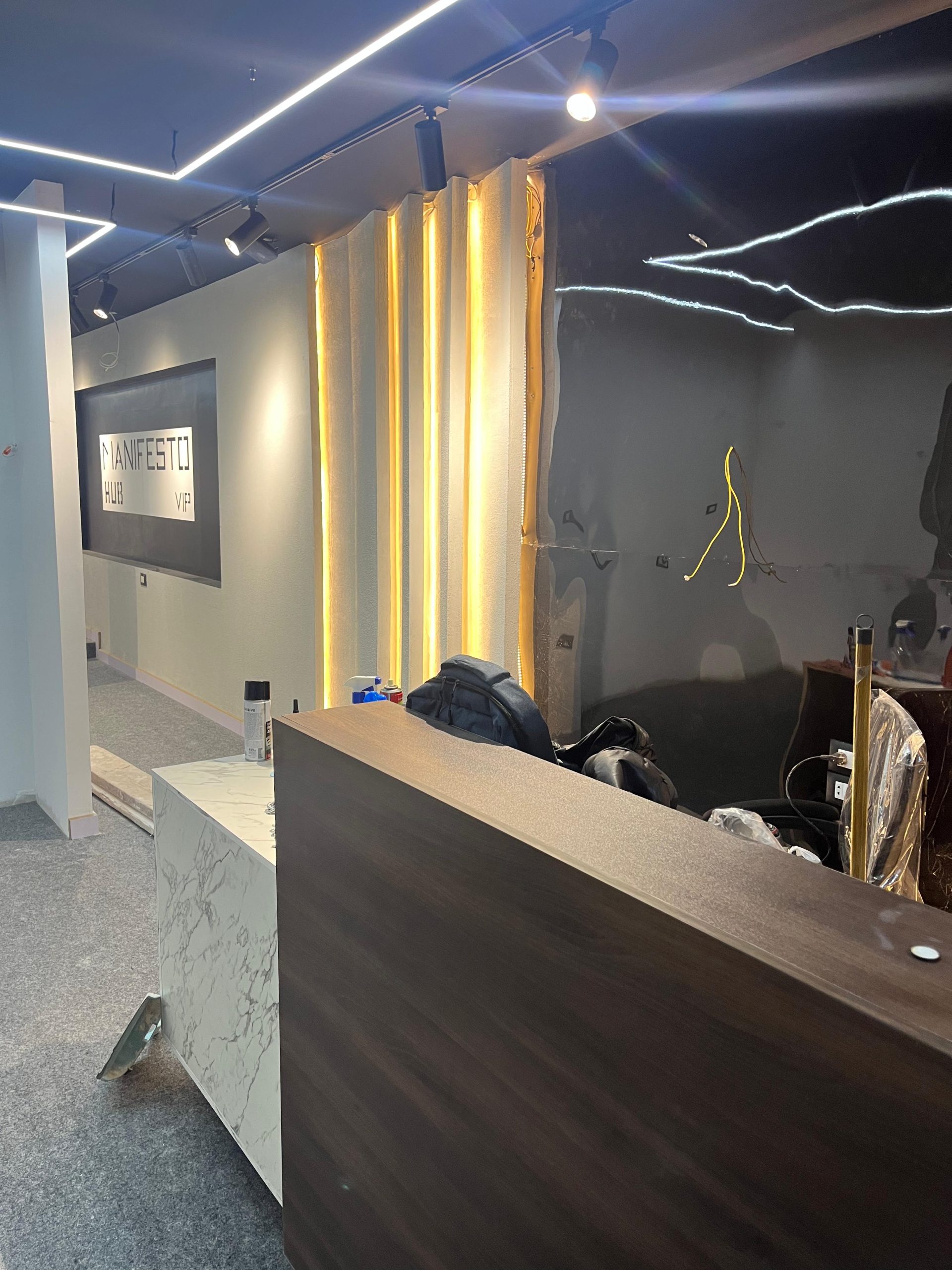
We spend a huge chunk of our lives in “the office,” but have you ever stopped to think about what that really *means*? It’s more than just a building; it’s a living, breathing entity that’s been constantly reinvented. From ancient scribes hunched over parchment to today’s tech-driven flexible zones, the office has seen it all. Buckle up for a whirlwind tour through history, a peek at today’s hot debates, and a glimpse into the smart, sustainable future of our workspaces.
Chapter 1: The OG Office – A Trip Down Memory Lane
Let’s take a stroll down memory lane, shall we? A quick shout-out to Roman “officium” – though it was more about the duty performed than the place itself. And who could forget the medieval monasteries’ “Scriptoriums”? Dedicated spaces for the meticulous copying of manuscripts, where hushed concentration reigned supreme. Who knew our ancestors were so organized, carving out spaces for focused work amidst the chaos?
Fast forward to the 18th and 19th centuries, and we see the dawn of formal bureaucracy. Hello, paperwork! London’s first purpose-built offices for the Royal Navy and East India Company were essentially cramped “schoolrooms” for clerks, reflecting a hierarchical structure. Imagine the scratching of quills, the endless ledgers, and the birth of the modern administrative machine. The Industrial Revolution turbo-charged this need, demanding administrative hubs often situated right inside the factories. These offices became potent symbols, spaces reserved for “white-collar” workers, a clear visual marker of social and economic standing.
Then came the efficiency obsession of the early 20th century. “Taylorism” arrived, seeking to optimize every movement, every task. Offices were designed like human assembly lines, with managers overseeing rows of desks, ensuring maximum output. Even Frank Lloyd Wright, the architectural titan, got in on the game, designing offices that reflected his unique aesthetic vision. New technologies – electric lights, telephones – coupled with innovations in steel frame construction, meant that offices could finally escape the confines of the factory floor and reach for the sky. The skyscraper was born, a monument to ambition and the burgeoning corporate world.
And what about the rise and fall (and rise again?) of the open plan in the mid-20th century? The “Bürolandschaft” (office landscape) from Germany attempted to inject some humanity into the workspace with plants and organic layouts. Then, the “Action Office” promised flexibility… and inadvertently gifted us the dreaded cubicle. Yes, those hated boxes were originally conceived as tools for liberation, offering workers a degree of personal space and control. How ironic!
Finally, we reach the late 20th century, where tech’s big bang threatened the very notion of the fixed desk. Laptops unshackled us from our workstations, and tech giants began tearing down walls, creating collaborative, “creative” spaces that prioritized interaction and innovation.
Chapter 2: The Modern Maze – What’s Happening Now?
Today, the office is far more than just a desk. It serves many masters: projecting a professional image, boosting productivity, fostering collaboration, shaping company culture, providing mentorship opportunities, and crucially, promoting employee well-being.
We’re faced with a smorgasbord of spaces. The classics remain: traditional setups with private offices and fixed layouts, and open-plan designs, still kicking despite their well-documented flaws. Then there are the new kids on the block: co-working spaces, executive suites, “hot desking” arrangements, and “activity-based working” environments with zones for different tasks. And let’s not forget the ghost office – a virtual address without the physical space!
But perhaps the most significant development is the rise of hybrid workspaces – designed to seamlessly blend remote and in-person work. This isn’t a mere trend; it’s the new normal. Employees are demanding flexibility and work-life balance, and are even willing to quit their jobs to obtain it. Offices are now destinations that companies hope you’ll choose to visit, rather than places you’re obligated to occupy.
As a result, we’re seeing a greater emphasis on designing for humans. Expect more wellness areas, an abundance of natural light, comfortable furniture, and technology that genuinely enhances the work experience, rather than hindering it.
Chapter 3: The Great Office Debate – Open Plan vs. Privacy
Ah, the eternal struggle: open plan versus privacy. The open-plan office, despite its popularity, is riddled with paradoxes. The noise, for instance, is a constant distraction. Studies have shown that it increases stress levels and significantly reduces focus, often requiring up to 23 minutes to regain concentration after an interruption.
And what about privacy? In an open-plan environment, it’s practically nonexistent. Constant surveillance, a lack of spaces for confidential conversations, and ironically, less face-to-face communication as people resort to email to avoid disturbing their colleagues. Plus, the close proximity means that illnesses spread like wildfire.
So why does the open-plan persist? Primarily because it’s cheaper to build and offers greater flexibility. There’s also the theoretical benefit of enhanced collaboration.
But the pendulum is swinging back, and the private office is making a comeback. The advantages are clear: quiet, fewer distractions, and a greater ability to focus, leading to deeper work and increased efficiency. Private offices also offer a sanctuary for confidential calls and tasks, and allow for a personal touch.
Of course, there are drawbacks. Private offices are more expensive and less flexible, and can potentially lead to isolation.
The verdict? It’s complicated! There’s no “one-size-fits-all” solution. The optimal approach seems to be a hybrid within the office itself: a blend of collaborative zones, quiet pods, and private areas. It’s all about providing choice and thoughtful design, tailoring the workspace to the specific needs of individuals and teams.
Chapter 4: Tomorrow’s Office – Sci-Fi or Reality?
Let’s gaze into our crystal ball and envision the office of tomorrow. Is it science fiction, or a rapidly approaching reality?
The “smart” takeover is already underway. Imagine AI as your office butler, personalizing your workspace with optimal lighting and desk height, acting as a virtual assistant, and even predicting maintenance needs before they arise. The Internet of Things (IoT) will be omnipresent, with sensors monitoring occupancy, air quality, temperature, and security. Your office will literally know you better than you know yourself!
Beyond Zoom, we can anticipate immersive collaboration experiences. Get ready for AR/VR meetings and training sessions – could you “teleport” into a brainstorm session with colleagues from around the globe?
Sustainable design is no longer a luxury; it’s a necessity. Expect eco-friendly materials, energy-efficient systems (solar power, smart HVAC, LED lighting), and biophilic design principles (think indoor jungles!) to promote well-being and connection with nature.
Hyper-flexible spaces will allow offices to reconfigure themselves on demand, using modular furniture and movable walls to adapt to any task or team. Activity-based working will be taken to the extreme, offering unparalleled customization and adaptability.
But amidst all the technological advancements, the human-centric heart of the office will remain paramount. The future office will prioritize you, creating spaces that support mental and physical health, foster connection and community, and make work a genuinely enjoyable experience.
Conclusion: What’s Next for Our Work Homes?
From simple “officiums” to intricate, intelligent ecosystems, the office has undergone a transformation beyond recognition. The office isn’t dying; it’s reinventing itself. It’s a dynamic hub designed to adapt to how we work, live, and connect. The goal remains constant: to create environments where people can truly thrive, collaborate, and innovate, whatever exciting form that takes next!